Learn how to use a smartphone as a TV remote with simple setup steps. Control your smart or non smart TV using mobile apps quickly and easily.
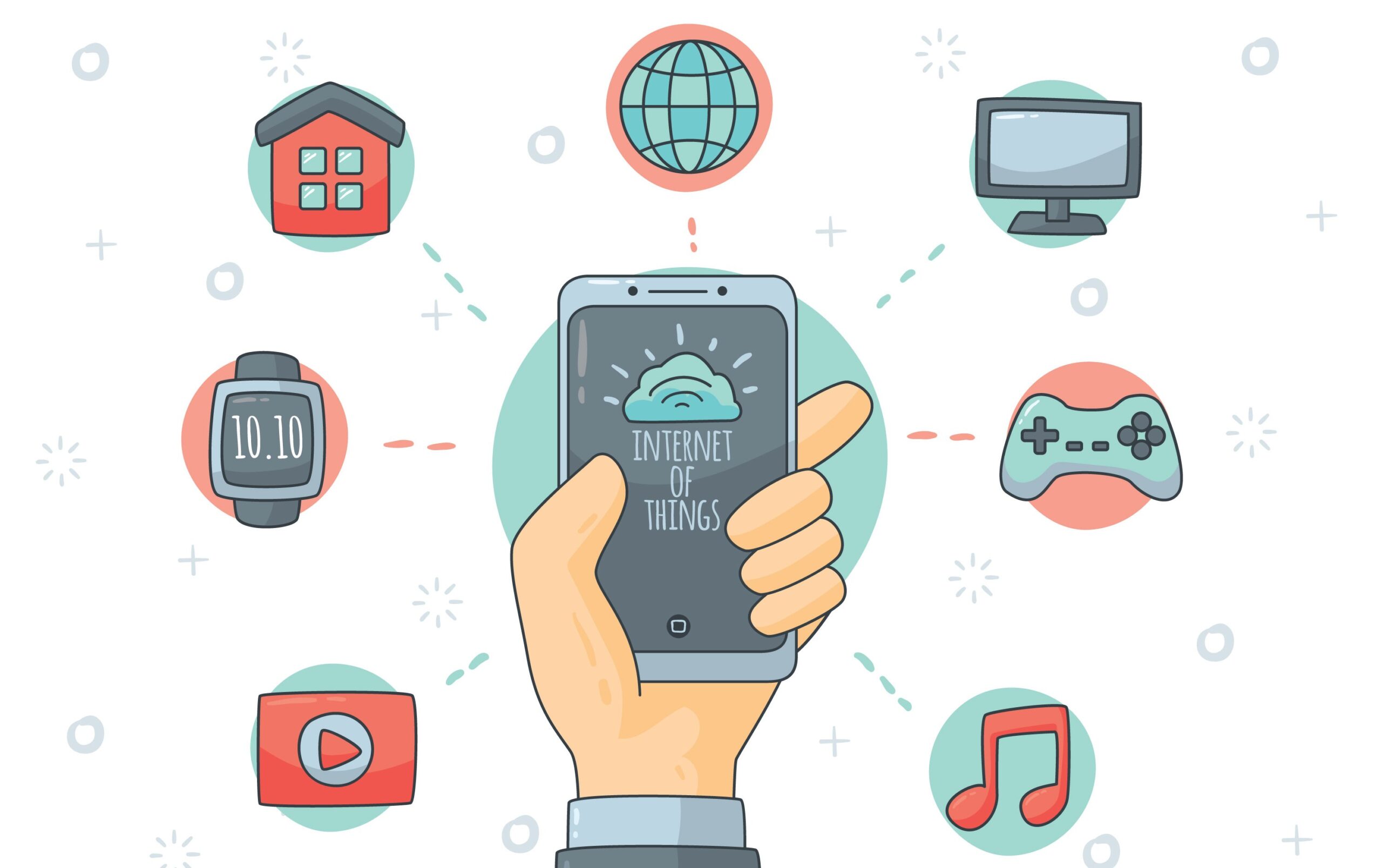
Have you ever lost your remote? Now you can easily use a smartphone as a TV remote to control everything from volume to streaming apps. Your phone is always in your hand or pocket, making it the most convenient controller you own. In this guide, we will walk you through exactly how to turn your iPhone or Android device into a powerful universal remote.
Why You Should Control TV With Phone
Using your mobile device to control your television isn’t just a backup plan for when you lose the clicker. It is often an upgrade. Traditional remotes are clunky, have buttons you never use, and need fresh batteries constantly. When you control TV with phone apps, you get a backlit screen that is easy to read in the dark, a keyboard for typing in long passwords, and voice search capabilities.
Here are a few reasons why smartphone TV remote apps are superior:
- Convenience: You always know where your phone is.
- Keyboard Input: Typing movie titles on a TV screen with a directional pad is painful. Your phone’s keyboard makes it instant.
- Voice Control: Most apps integrate with assistants like Siri or Google Assistant.
- Universal Control: One app can often manage your TV, soundbar, and streaming box.
How to Use a Smartphone as a TV Remote
There are two primary ways to connect your phone to your TV: via Wi-Fi or via an Infrared (IR) Blaster. Most modern smart TVs use Wi-Fi, while older televisions require an IR signal.
Method 1: Connecting via Wi-Fi (For Smart TVs)
This is the most common method for TVs made in the last 5-7 years. Both your phone and your TV must be connected to the exact same Wi-Fi network for this to work.
- Check Network: Ensure your phone is not on 5G/LTE and is connected to your home Wi-Fi. Check your TV settings to ensure it is on the same network.
- Download the App: Go to the Apple App Store or Google Play Store and download the official app for your TV brand (more on specific apps below) or a third party universal app.
- Pair the Devices: Open the app. It should automatically scan for devices. Tap your TV’s name.
- Enter Code: A PIN code usually appears on your TV screen. Type this code into your phone to establish the connection.
Method 2: Using an IR Blaster Remote (For Older TVs)
If you have an older “dumb” TV that doesn’t connect to the internet, you can still control it if your Android phone has a built in IR blaster. An IR blaster sends the same infrared signals a standard remote does.
- Check Hardware: Check your phone specs to see if it includes an IR emitter (common in Xiaomi, Redmi, and some Huawei phones). iPhones do not have this feature.
- Use an IR App: Download an app specifically designed for IR control.
- Select Brand: Choose your TV manufacturer from the list in the app.
- Test Buttons: The app will ask you to test the “Power” or “Volume” button. If the TV responds, you are set.
Best Official Apps for Your TV Brand
Manufacturers design specific apps to give you the best experience. These usually offer deep integration, allowing you to launch apps like Netflix or YouTube directly from your phone screen.
Samsung SmartThings
For Samsung TV owners, the SmartThings app is essential. It acts as a central hub for all Samsung smart home devices.
- Features: Screen mirroring, “TV Sound to Mobile” for private listening, and full remote functionality.
- Compatibility: Works with almost all Samsung Smart TVs manufactured after 2016.
LG ThinQ
LG’s ThinQ app transforms your smartphone into a “Magic Remote.”
- Features: You can use your phone screen as a trackpad to move the cursor on your TV. It also supports voice commands.
- Setup: Simply tap the “+” symbol in the app to add your appliance.
Roku Mobile App
If you use a Roku TV or streaming stick, their official app is arguably better than the physical remote.
- Features: Includes a “Private Listening” mode where you can listen to TV audio through your phone’s headphones.
- Keyboard: Excellent on screen keyboard for searching content.
Google TV App
Formerly known as “Google Play Movies & TV,” the Google TV app is a powerhouse for Android TV and Google TV users (like Sony, TCL, and Hisense).
- Integration: It has a built in remote that floats over other apps or sits in your quick settings menu.
- Versatility: It works seamlessly with Chromecast devices as well.
Top Universal Remote Apps
If you have multiple TVs from different brands, or you simply don’t like the official apps, universal remote apps are a great alternative. These third party applications aim to control everything under one roof.
1. Sure Universal Remote
This is a popular choice for Android users. It supports both Wi-Fi and IR setups, meaning it can control your modern smart TV and your old air conditioner. It allows you to create a “system” where one button turns on both your TV and cable box.
2. AnyMote (Smart Remote)
AnyMote is great for customization. You can create macros with single buttons that perform multiple actions (e.g., “Watch Movie” turns on the TV, switches input to HDMI 1, and dims your smart lights).
3. Unified Remote
While primarily designed to control computers, Unified Remote supports various IR commands and smart devices. It is perfect if you have a media center PC connected to your TV.
Warning: Be careful when searching for “free remote apps” on app stores. Many are filled with aggressive pop up ads. Stick to highly rated apps or the official manufacturer apps mentioned above for the best experience.
Step-by-Step Guide: Setting Up Google TV Remote
Since many users have Android TVs or Chromecasts, let’s look at a detailed setup for the Google ecosystem. This is one of the smoothest ways to use a smartphone as a TV remote.
Step 1: Open the App
On your Android phone, open the Google TV app. If you have an iPhone, you can find the remote feature inside the “Google Home” app.
Step 2: Find the Remote Icon
On Android, look for a button labeled “Remote” or “TV Remote” near the bottom right of the screen. On the Google Home app (iOS/Android), tap on your specific TV device, then tap “Open Remote.”
Step 3: Permission Granting
Your phone might ask for Bluetooth or Local Network permissions. You must allow these so the phone can “see” the TV.
Step 4: Pairing
Select your device from the list. A 6-digit code will pop up on your television. Enter this code into your smartphone app.
Step 5: Navigate
You will now see a touchpad area on your phone. Swipe up, down, left, or right to navigate the TV interface. Tap the center to select. You can change this to a “D-Pad” (buttons) layout in the settings if you prefer traditional arrows.
Troubleshooting Common Connection Issues
Sometimes technology fails us. If you are struggling to connect, try these fixes.
- Network Isolation: Some routers have a feature called “AP Isolation” that prevents Wi-Fi devices from talking to each other. Log into your router settings and ensure this is disabled.
- Different Frequencies: Ensure both devices are on the same frequency band (2.4GHz or 5GHz). While most modern routers bridge these automatically, some older ones treat them as separate networks.
- VPN Interference: If you have a VPN enabled on your phone, turn it off. VPNs tunnel your traffic elsewhere, making it impossible for your phone to find local devices like your TV.
- Restart Everything: It’s a cliché for a reason. Restart your phone and unplug your TV from the wall for 10 seconds. This clears the network cache and often solves pairing glitches.
The Future of TV Control
The trend is clear: physical remotes are becoming secondary. Manufacturers are focusing heavily on smartphone TV remote apps because they offer interactivity that plastic buttons cannot match. We are already seeing features like:
- Second Screen Experience: Seeing actor bios or sports stats on your phone while the game plays on the TV.
- Shopping Integration: Buying the clothes a character is wearing directly through the remote app.
- Personalized Profiles: The remote app knows who is holding the phone and changes the TV’s recommended content to match that user’s profile.
Frequently Asked Questions
Here are answers to common questions people search for regarding using phones as remotes.
Q: Can I turn on my TV with my phone if the TV is off?
It depends. If your TV supports “Wake on LAN” or “Wake on Wi-Fi” (often called “Mobile Power On” in settings), yes. You need to enable this feature in your TV’s network settings first. Otherwise, the Wi-Fi chip turns off when the TV is off, and you cannot wake it without an IR blaster.
Q: Can I use my iPhone as a remote for a Samsung TV?
Yes, absolutely. You just need to download the Samsung SmartThings app from the Apple App Store. It functions almost identically to the Android version.
Q: Do I need the internet to use my phone as a remote?
You need a local Wi-Fi connection (a router), but you do not necessarily need an active internet connection to the outside world for basic controls. However, voice features and streaming apps will require active internet data.
Q: What if I don’t have Wi-Fi?
If you have no Wi-Fi network, you have two options: use an IR blaster remote app if your phone supports it, or use Wi-Fi Direct. Some TVs support Wi-Fi Direct, which creates a mini network strictly between the phone and the TV, bypassing a router.
Q: Are remote apps safe to use?
Official apps from Samsung, LG, Roku, and Google are very safe. Be cautious with generic third party apps that ask for unnecessary permissions (like access to your contacts or location). Always read reviews before downloading.
Q: Why is my remote app lagging?
Lag is usually caused by a congested Wi-Fi network. If many people are streaming 4K video or gaming on the same network, the signals between your phone and TV might get delayed. Restarting your router can often speed things up.
Conclusion
Losing your remote control is no longer a disaster, it is an opportunity to upgrade your viewing experience. When you use a smartphone as a TV remote, you unlock a level of convenience and functionality that standard clickers simply cannot match. Whether you are using a dedicated Google TV app, a manufacturer specific tool like SmartThings, or an IR blaster remote solution for older sets, the setup is generally quick and painless.
By following the steps outlined above, you can regain control of your entertainment system in minutes. So, the next time the remote vanishes into the abyss of your living room furniture, don’t panic. Just unlock your phone, open the app, and get back to your movie night without missing a beat. Your smartphone is the ultimate universal controller you just need to connect it.

Sid is a skilled content writer with over 9 years of experience, creating clear and helpful articles on a wide range of topics. Sid is also well-known for her knowledge of remote controls, codes, and setup guides, helping thousands of people with simple and reliable solutions. Her goal is to combine expert content writing with practical knowledge, making information easy to understand and useful for everyone. In her free time, she enjoys exploring new technology and sharing helpful tips with the community.